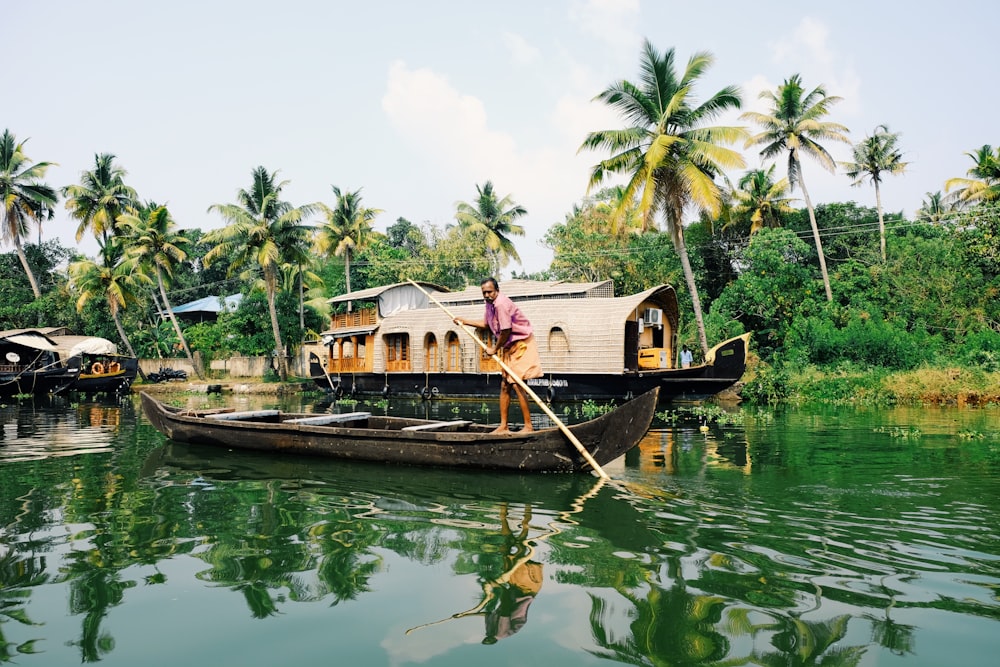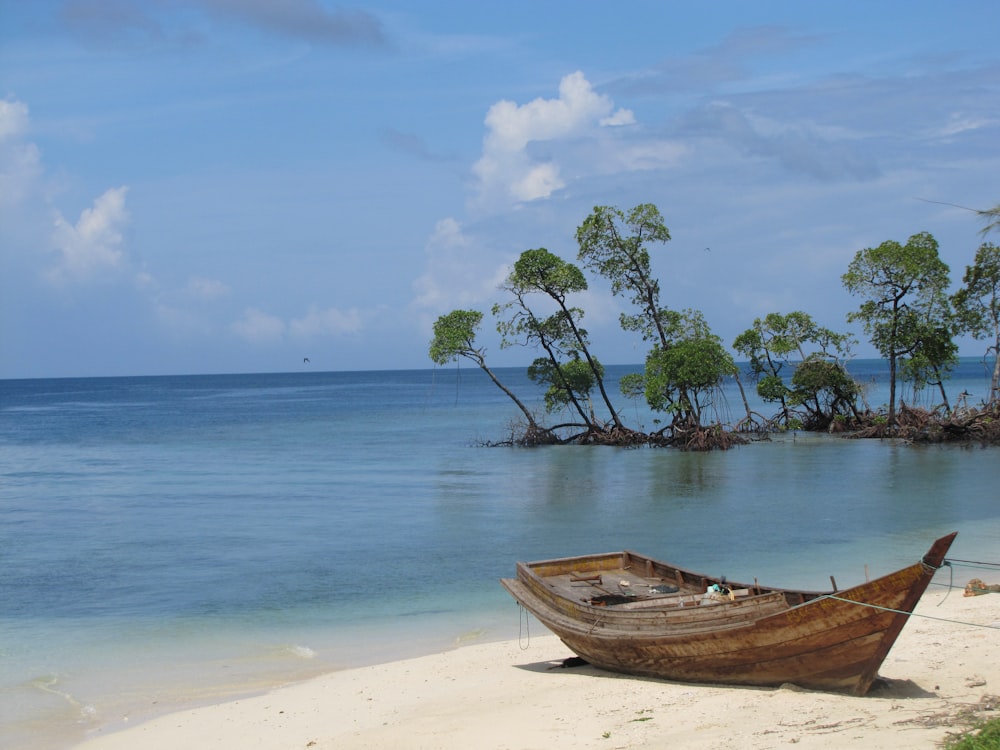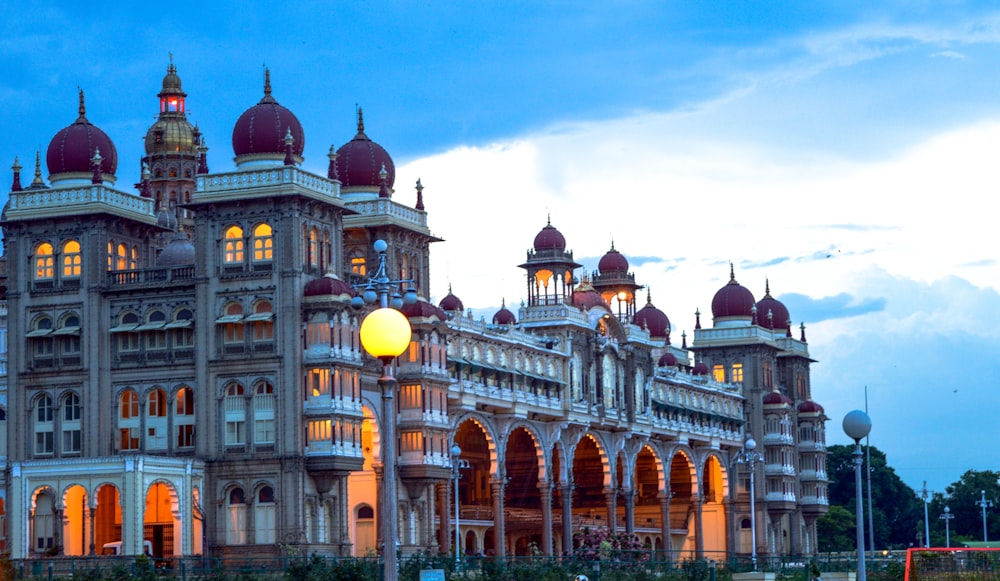
Expanded 2026 guide to 7 offbeat Indian destinations with on-ground tips, best seasons, permits, and fresh images for each hidden paradise.
# 7 Secret Unexplored Paradises in India You Must Visit in 2026
Escape the crowds. While Manali, Leh, and Goa overflow with tourists, these seven hidden paradises offer something increasingly rare: silence, clean skies, and authentic culture-first travel — but only if you visit thoughtfully and at the right time.
India's most popular destinations are reaching a breaking point. Overcrowded beaches, traffic-jammed mountain roads, and heavily commercialized experiences have pushed genuine travelers to seek alternatives. The places in this guide are not just "offbeat" for the sake of novelty. They are gateways to an India where you can still hear yourself think, where locals welcome you as a guest rather than a walking revenue source, and where nature has not been paved over or packaged for mass consumption.
Each destination in this guide has been selected based on four criteria: genuine low crowd density in 2026, authentic local culture still accessible to respectful visitors, real natural beauty that rewards slow exploration, and practical accessibility that does not require extreme logistics or enormous budgets.
Before You Go: How to Use This Guide
Give each place at least 3 to 4 nights. Rushing through offbeat destinations defeats the entire purpose of choosing them over tourist-saturated alternatives. These places reward slow exploration and penalize those who treat them like checkbox items.
Pair with a verified local host through TravelBuddiz for permits, last-mile transport, and weather guidance. In several of these destinations, local knowledge is not just helpful — it is essential for safety and access.
Expect low connectivity. Carry offline maps, cash with UPI as backup, and extra power banks. Treat the connectivity gaps as the digital detox you probably need.
Plan your season carefully. Each of these destinations has a specific window when it is genuinely accessible and at its best. Visiting outside that window can mean inaccessible roads, closed accommodation, or dangerous weather.
At a Glance: The 7 Hidden Paradises
| Destination | State | Best Season | Altitude | Permit Required |
|---|---|---|---|---|
| Gurez Valley | J&K | June–September | 8,000–9,000 ft | No (Indians) |
| Shoja | Himachal Pradesh | April–November | ~8,200 ft | No |
| Chopta | Uttarakhand | April–June, Oct–Nov | ~8,790 ft | Trek permits |
| Mechuka | Arunachal Pradesh | Oct–April | 6,000 ft | ILP mandatory |
| Bhandardara | Maharashtra | July–February | ~2,200 ft | No |
| Mandu | Madhya Pradesh | July–February | ~2,100 ft | No |
| Maravanthe Beach | Karnataka | November–February | Sea level | No |
1. Gurez Valley, Jammu & Kashmir
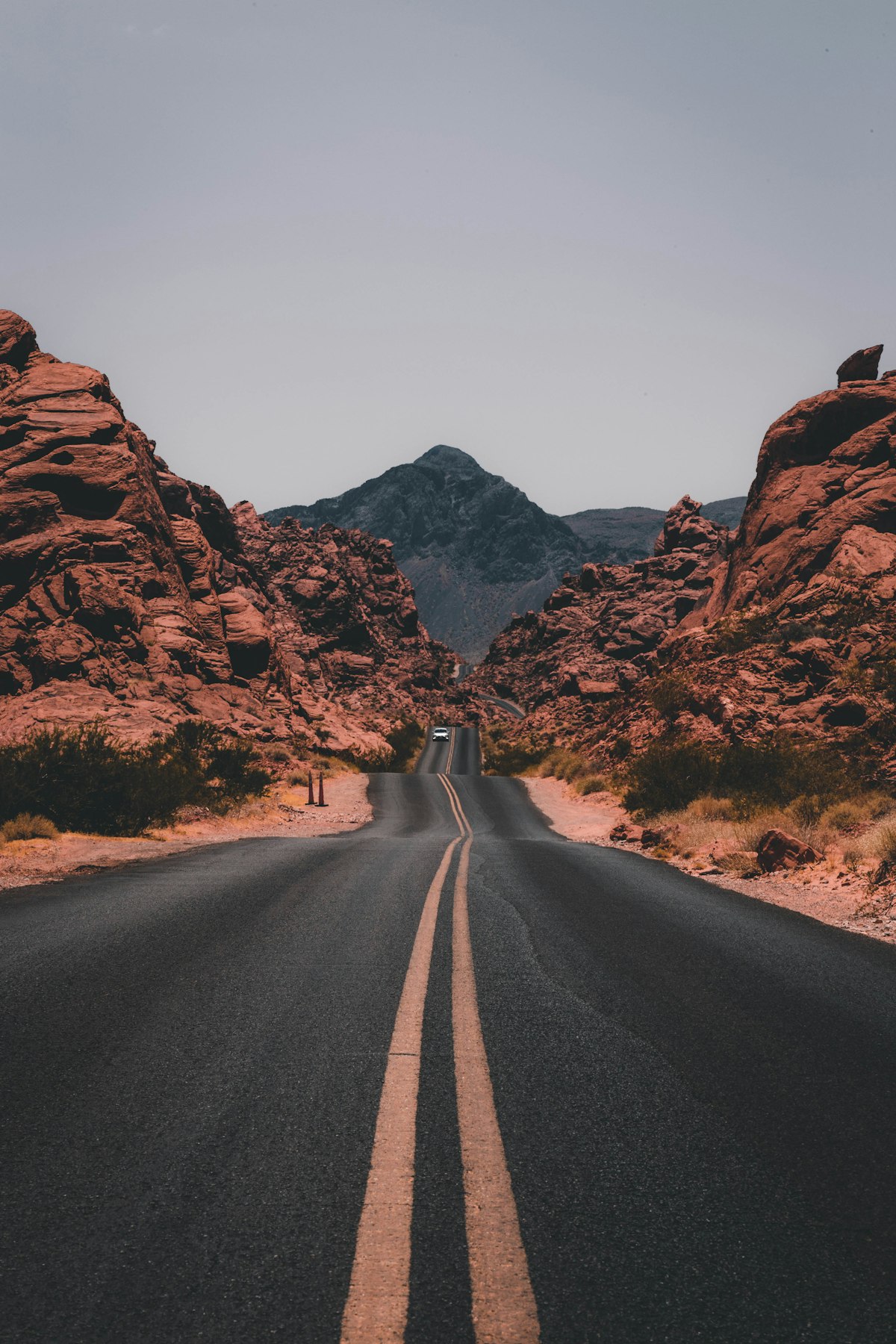
Gurez Valley sits at 8,000 to 9,000 feet in northern Kashmir, wrapped by the dramatic Habba Khatoon peak and the fast-flowing Kishanganga River. Once a forgotten stretch of the ancient Silk Route, it has seen modest but meaningful improvement in road access since 2024, making it genuinely accessible for the first time to travelers beyond the most hardcore adventure seekers.
The valley's border tourism designation has actually worked in its favor — infrastructure has improved without the commercial overcrowding that plagues better-known Kashmiri destinations. The walnut-wood homestays, dawn light on the meadows at Dawar, and fresh trout dinners cooked by local families represent the kind of experience that money genuinely cannot buy in more touristy locations.
Practical information
What to do and see
Dawn at Dawar village catches the valley in extraordinary light before the mist burns off. The Kishanganga river walk following its course through the meadow takes about two hours and shows the valley's full scale. Local guides can arrange trout fishing — an experience both meditative and delicious. Evening conversations with Dard Shin families, who are the valley's primary community, offer cultural context that no guidebook can match.
Travel Buddiz tip — Find a host who can help with BSNL SIM registration (required for data in the valley) and who knows which checkpoints require documentation. The right local contact makes the difference between a smooth trip and an unnecessarily complicated one.
2. Shoja, Himachal Pradesh
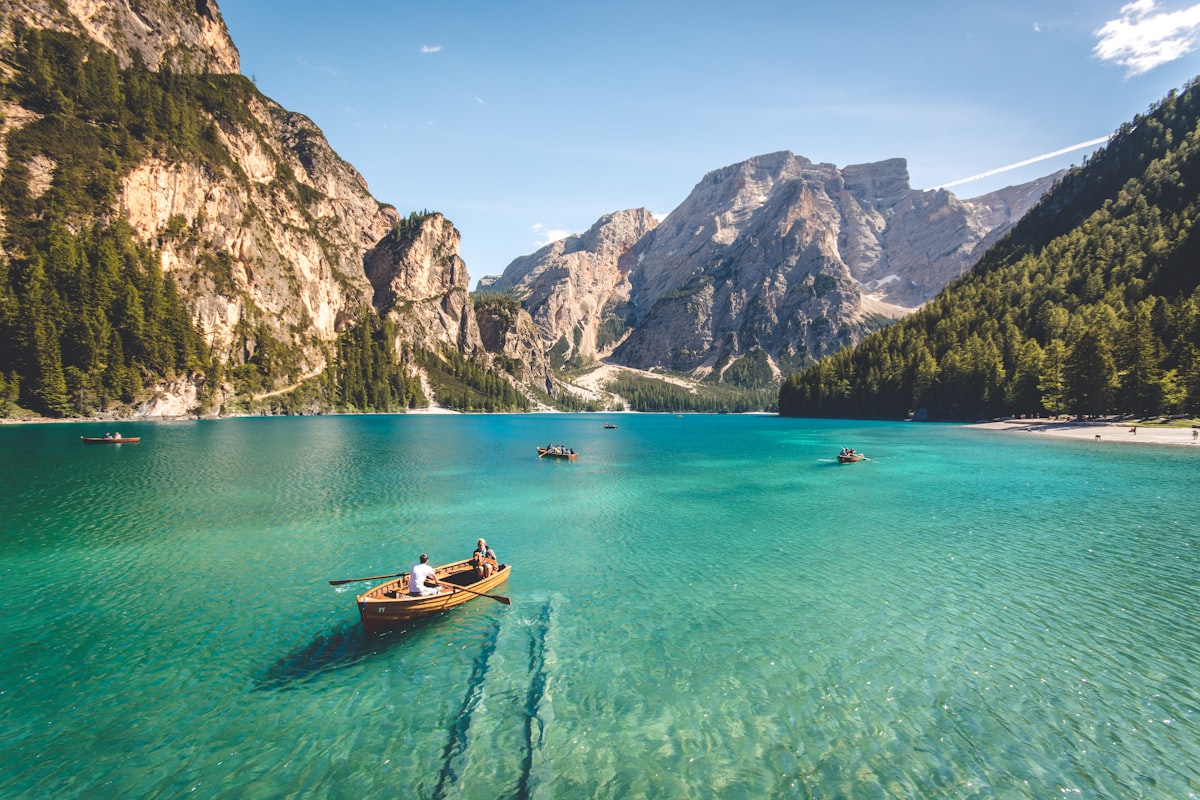
Shoja sits above the Seraj Valley at approximately 8,200 feet on the approach to Jalori Pass. It offers everything that has made Tirthan Valley famous — cedar forests, apple orchards, birding routes, and mountain light that photographers chase from across the country — without the accommodation crunch and weekend crowds that Tirthan now regularly experiences.
The village itself is small, quiet, and unhurried. The local accommodation options are genuine homestays rather than commercialized "eco-resorts," and the hosts tend to be deeply knowledgeable about the surrounding landscape. Shoja is the kind of place where slowing down stops feeling like a compromise and starts feeling like the point.
Practical information
What to do and see
Raghupur Fort is an hour's walk uphill and rewards you with panoramic views that stretch to the Dhauladhar range on clear mornings. Serolsar Lake is a 5-kilometer trek through deodar forest, ending at a small temple and a perfect picnic spot with mountain reflections. The approach to Jalori Pass itself is worth a slow morning walk even if you do not cross over.
Travel Buddiz tip — Winter sunrise at Jalori needs a local with a 4x4 who knows where black ice forms on the approach. Do not attempt the Jalori road in icy conditions without experienced local guidance.
3. Chopta, Uttarakhand
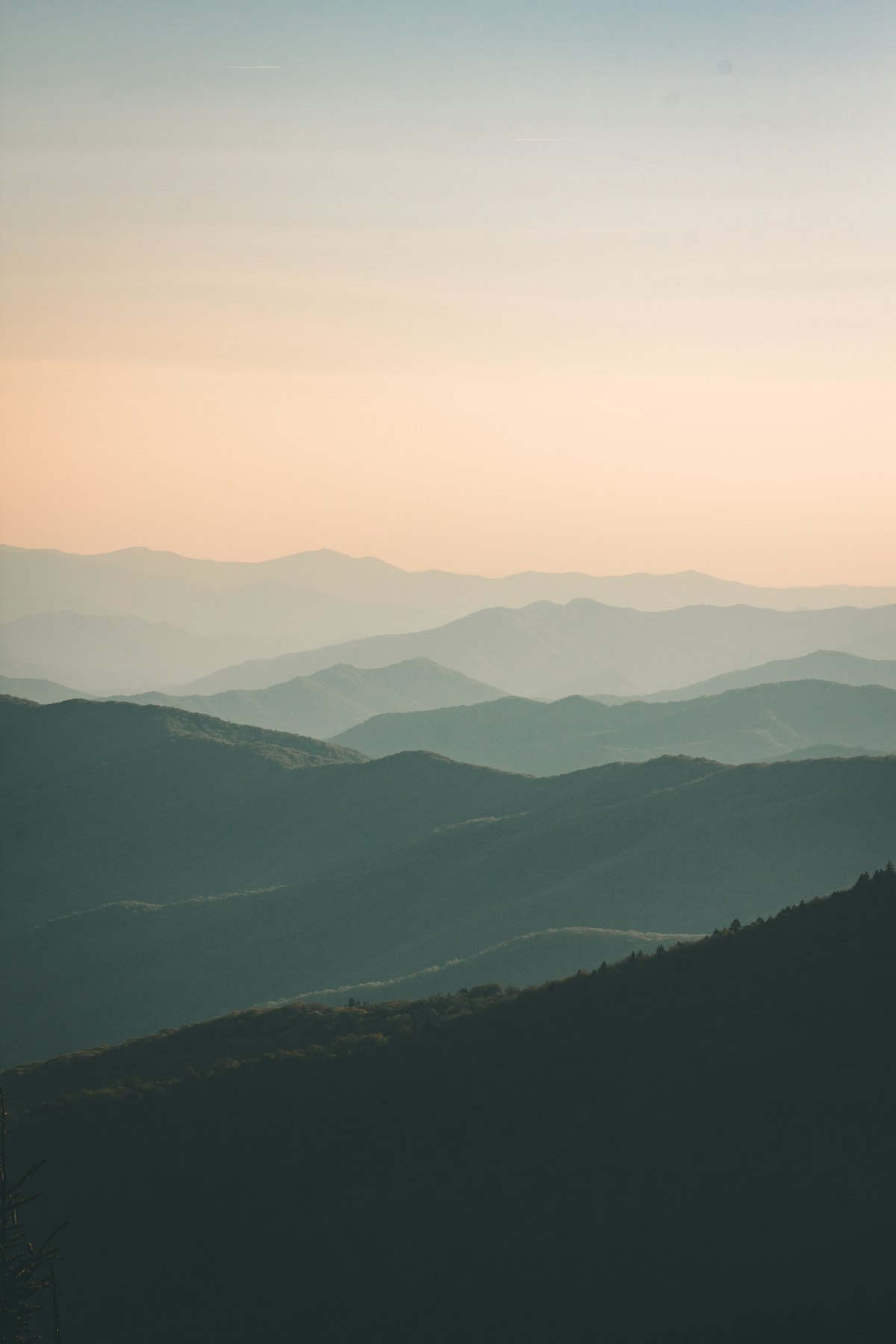
Chopta is sometimes called the Mini Switzerland of India, but this label undersells it. At approximately 8,790 feet, it is primarily a base for birders, trekkers, and photographers who want access to the Tungnath meadows and Chandrashila summit without the infrastructure of Auli or the commercialization of Munsyari.
The surrounding bugyals — the high-altitude meadows of Uttarakhand — turn extraordinary shades of green in summer and burn with rhododendron color in spring. October and November bring clear post-monsoon skies and Himalayan views that rank among the best in the region. Winter transforms the area into a snow landscape accessible only with proper preparation.
Practical information
What to do and see
The Chandrashila sunrise trek (starting at 2 AM from Tungnath) is one of the finest alpine dawn experiences in India. Deoria Tal, a short drive from Chopta, is renowned for Milky Way photography in clear conditions. The village walks around Duggalbitta are unhurried and genuinely local in character.
Travel Buddiz tip — Ask hosts specifically about the current season's forest camp permit process and whether mule support is available for camera and camping gear on the Chandrashila route.
4. Mechuka, Arunachal Pradesh
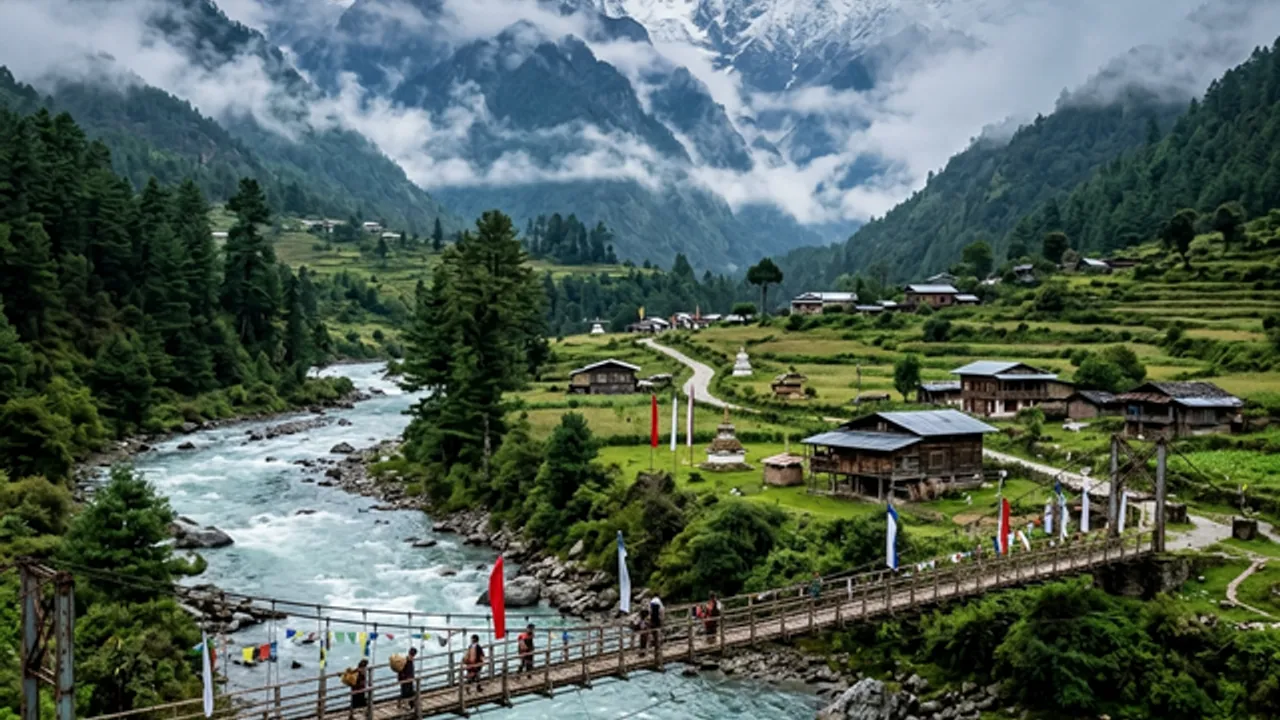
Mechuka is one of India's most remote and most soulful destinations. Situated in the West Siang district of Arunachal Pradesh at approximately 6,000 feet, it is defined by wooden houses, hanging bridges across the Siang River, Buddhist monasteries with active resident monks, and a landscape that has changed very little in living memory.
The Adi tribal community that calls Mechuka home maintains a cultural richness and genuine warmth toward respectful visitors that is increasingly rare in more accessible destinations. Responsible tourism here is not a marketing tagline — it is a genuine requirement for preserving what makes the place extraordinary.
Practical information
Cultural protocols
Greet locals with "Tashi Delek." Ask permission before photographing monasteries, elders, or religious ceremonies — this is not optional courtesy, it is basic respect. Visit Gurudwara Mechuka, which has a fascinating history, and the Samten Yongcha Monastery during prayer hours if your host can arrange it.
What to do and see
The Siang River crossing on the hanging bridge is a genuinely memorable experience. Segong village is a 2-hour walk from Mechuka town and offers one of the most authentic community experiences in the northeast. The monastery at dawn, when monks are conducting morning prayers, is as close to genuine peace as most travelers will experience.
Travel Buddiz tip — Choose hosts who can line up local SUVs for the final approach and who have existing relationships with the monastery for organized visits that respect prayer schedules.
5. Bhandardara, Maharashtra
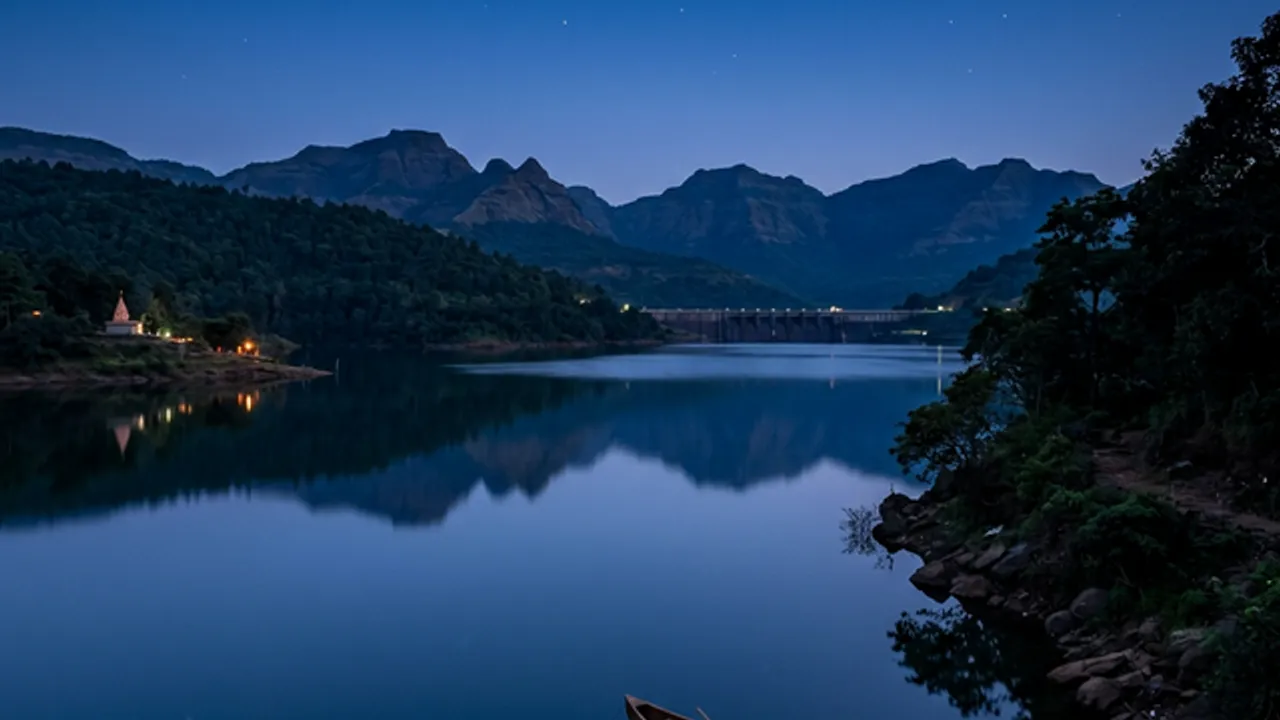
Bhandardara sits in the Sahyadri mountains close to Nashik and yet remains surprisingly calm given its proximity to Mumbai and Pune. The combination of Arthur Lake, Wilson Dam, the surrounding peaks, and exceptional stargazing conditions makes it one of Maharashtra's best-kept practical secrets.
The key is timing. Bhandardara during peak summer or peak Diwali season is genuinely crowded and loses much of its charm. Bhandardara in the monsoon, with the waterfalls at full force and the valley intensely green, or in the winter months with crystalline night skies, is an entirely different experience.
Practical information
What to do and see
Arthur Lake sunset from the dam wall is genuinely beautiful in the right conditions. The monsoon trek to Sandhan Valley (the Valley of Shadows) is one of Maharashtra's most dramatic experiences — do this with a guide as route-finding in high monsoon is not straightforward. The night sky from properly positioned campsites near Bhandardara rivals anything available within 4 hours of Mumbai.
Travel Buddiz tip — Book camps with clean facilities and confirmed permissions rather than the cheapest option available. The legitimate operators know the seasonal water levels and safety conditions around the dam.
6. Mandu, Madhya Pradesh
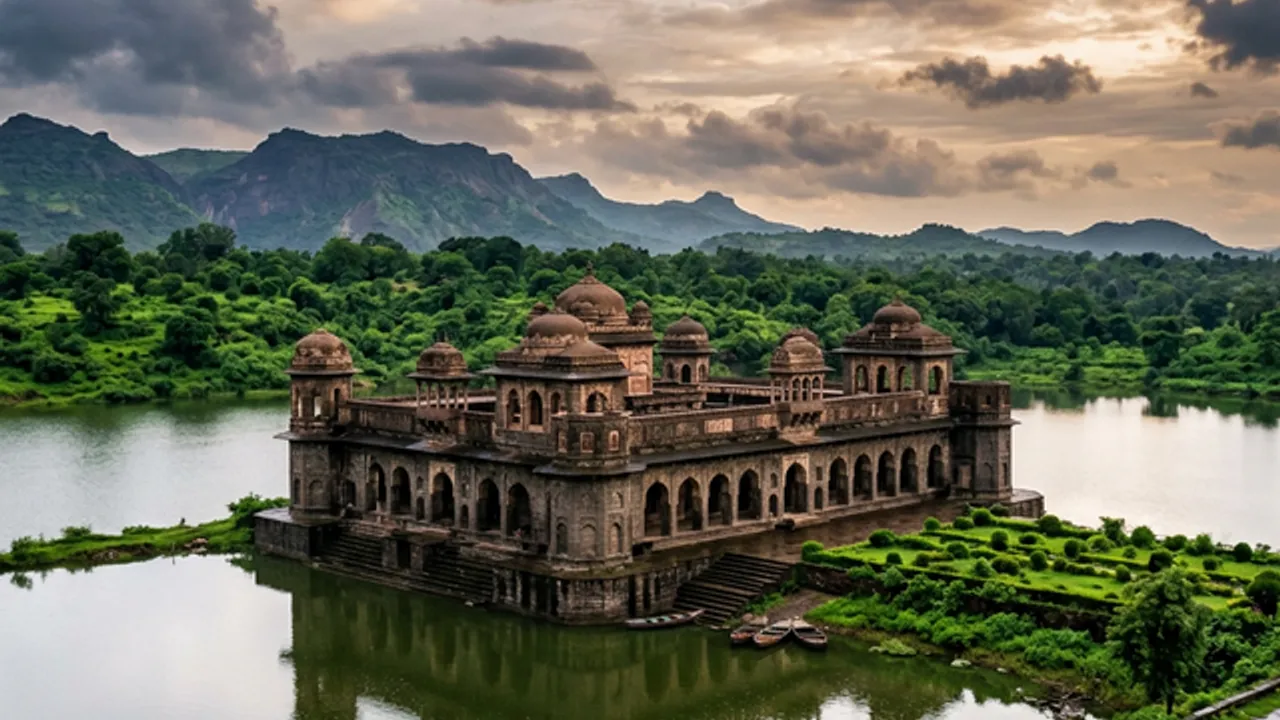
Mandu is poetry carved in basalt. The abandoned medieval capital of the Malwa Sultanate sits on a plateau above the Narmada valley and contains some of the most dramatically beautiful Islamic architecture in India — built not in a desert capital but surrounded by forests and seasonal lakes that create reflections of extraordinary beauty.
Jahaz Mahal (the Ship Palace), which appears to float between two water bodies at full monsoon, is one of India's genuinely haunting architectural experiences. Rupmati's Pavilion at sunset, from which the legendary singer-queen allegedly watched the Narmada, delivers panoramas that are difficult to exaggerate.
Practical information
What to do and see
Jahaz Mahal at blue hour (the period just after sunset when the sky turns deep blue) is the defining Mandu photograph. Baz Bahadur's Palace has acoustics that were reportedly designed for music performances — the connection to the Mandu love legend is palpable here. The Afghan arches catching monsoon light create photographic opportunities that photographers from across the country plan trips around.
Travel Buddiz tip — Local hosts can connect you with ASI-certified guides who know the palace histories in detail. The love story of Baz Bahadur and Rupmati unlocks the emotional weight of the architecture in a way that solo exploration simply cannot match.
7. Maravanthe Beach, Karnataka
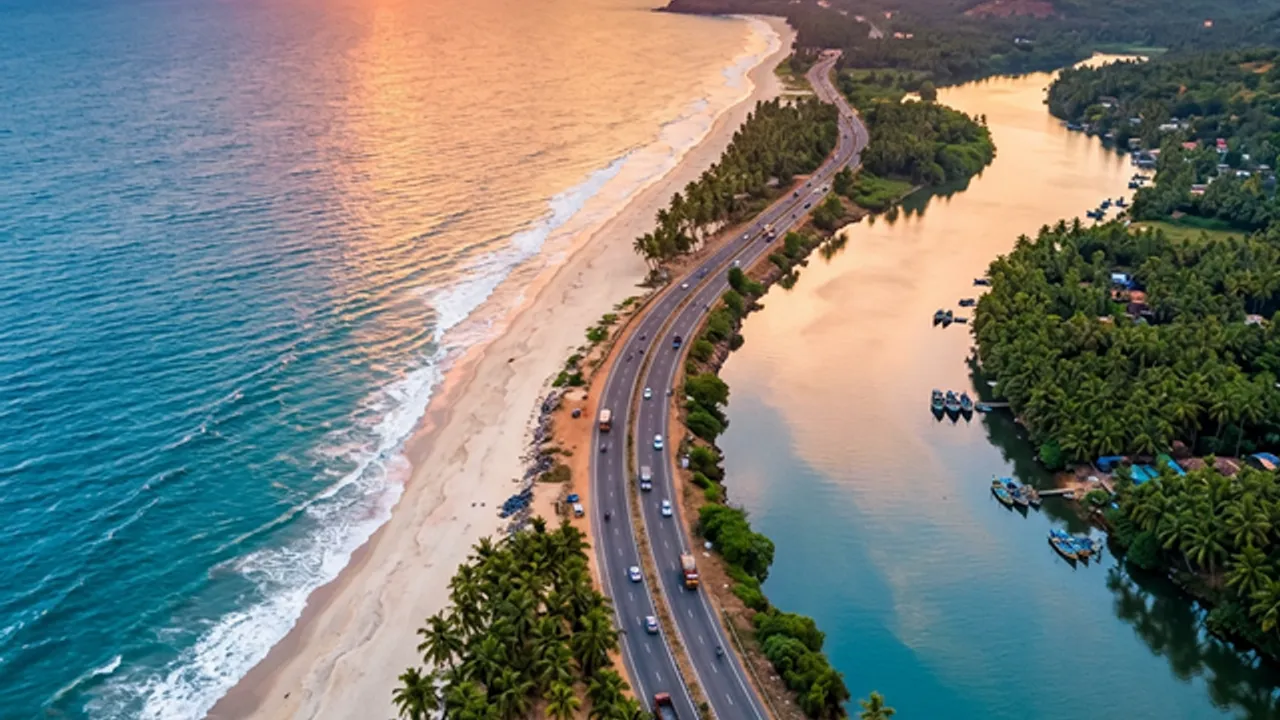
Maravanthe is one of India's genuinely rare geographical experiences: a coastal stretch where NH66 runs between the Arabian Sea on one side and the Souparnika River on the other, creating a visual effect that is difficult to describe and easy to photograph. It offers the kind of sunset views that the Goa coastline delivered fifteen years ago, before the party infrastructure arrived.
The beach itself is calm, clean, and genuinely uncrowded during non-peak periods. The river backwater offers kayaking that most visitors completely overlook. The seafood at village shacks along the shore is both exceptional and inexpensive.
Practical information
What to do and see
The NH66 stretch at golden hour is the signature experience — position yourself at the right point and the road disappears between two bodies of water in both directions. Souparnika backwater kayaking is best arranged early morning before wind picks up. The village seafood shacks serve fresh catch that changes daily — tiger prawns and pomfret prepared by people who grew up fishing this coast.
Travel Buddiz tip — Stay in locally-run homestays in Byndoor or Kundapura rather than the limited options directly on the beach. This gives you river access, beach access, and genuine local hospitality at significantly lower cost.
How to Travel These Places Responsibly in 2026
| Principle | Why It Matters | Practical Action |
|---|---|---|
| Book verified local hosts | Permits, last-mile logistics, safety | Use TravelBuddiz for host connections |
| Carry cash and UPI backup | POS is unreliable in remote areas | Withdraw at the last urban ATM |
| Stay minimum 3–4 nights | Reduces emissions per day, supports local economy | Resist the urge to rush |
| Leave No Trace | Protects the conditions that make these places special | Pack out all waste, refill bottles |
| Share your itinerary | Safety net when connectivity drops | Send to one trusted contact before departure |
| Ask before photographing | Cultural respect, especially in tribal areas | Always ask, always respect a no |
These seven destinations are extraordinary precisely because they have not been loved to death yet. The travelers who visit them in 2026 with care and respect are the ones who get to experience what they genuinely are — and who help ensure they remain that way.
Related Resources
Travelbuddy FAQ
Quick answers before you book
These are the most common questions people ask when searching for a travel buddy, Travel Buddiz, or a local guide.
Ready for your next adventure?
Find verified travel buddies and local hosts for your upcoming trip to India.